95 Essential Tips for Staying Safe and Sound on Your New Zealand Adventure

95 Essential Tips for Staying Safe and Sound on Your New Zealand Adventure
Kia ora! If you're dreaming of dramatic landscapes, thrilling adventures, and maybe even encountering a few hobbits (okay, maybe not actual hobbits), New Zealand is calling your name. I totally get it – I fell in love with the place the moment I stepped off the plane. But before you pack your bags and head to Middle-earth, let's talk about something super important: staying safe. New Zealand might seem like paradise (and it mostly is!), but like any destination, it has its own set of potential hazards. So, grab a cuppa, settle in, and let's dive into 95 essential tips to ensure your Kiwi adventure is unforgettable for all the right reasons.
1. Preparation is Key: Planning Your Trip and Staying Informed

Seriously, a little planning goes a long way. Don't just wing it – unless "winging it" involves extensive research and a detailed itinerary. Been there, done that… learned my lesson!
1. Research Your Route: Before you even book your flights, get familiar with the areas you want to visit. Are you hiking in the mountains? Exploring coastal regions? Driving long distances? Each activity demands specific preparation.
2. Check the Weather Forecast: New Zealand weather is notoriously fickle. It can change in a heartbeat, especially in the mountains. Download a reliable weather app like MetService or WeatherWatch and check it daily, even multiple times a day.
3. Pack Appropriately: Layers are your best friend. Even in summer, you might experience chilly evenings or unexpected rain. Pack waterproof gear, sunscreen, a hat, and sturdy hiking boots.
4. Learn About Local Hazards: Familiarize yourself with potential natural hazards, such as earthquakes, volcanoes, tsunamis, and landslides. Knowing what to do in an emergency can save your life.
5. Register Your Trip: Consider registering your trip with the New Zealand Department of Conservation (DOC) if you're planning on hiking in remote areas. This helps authorities locate you in case of an emergency.
6. Tell Someone Your Plans: Always inform a friend or family member of your itinerary and check in with them regularly. It's a simple precaution that can make a big difference.
7. Download Offline Maps: Cell service can be spotty in some areas. Download offline maps using apps like Google Maps or Maps.me so you can navigate even without an internet connection.
8. Learn Basic First Aid: A basic first aid course can equip you with essential skills to handle minor injuries or emergencies in remote locations. Knowing how to treat a sprain, bandage a wound, or perform CPR can be invaluable.
9. Understand Local Laws and Customs: Respecting local customs and laws is crucial for a positive travel experience. Research New Zealand's laws regarding alcohol consumption, freedom camping, and environmental protection.
10. Get Travel Insurance: Don't leave home without it! Travel insurance can cover unexpected medical expenses, trip cancellations, and lost or stolen belongings. Read the fine print and choose a policy that suits your needs.
2. Driving Safely: Navigating New Zealand Roads
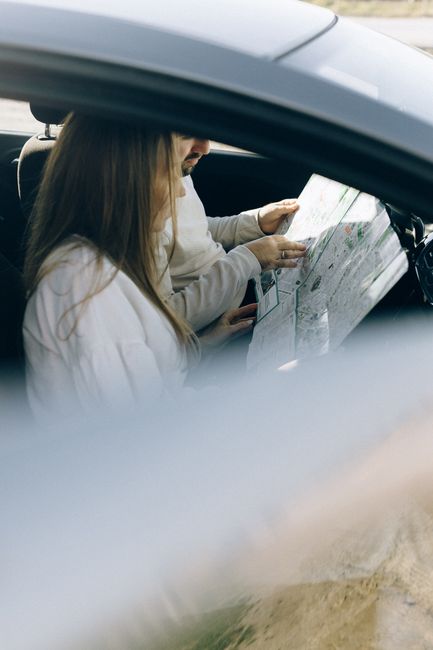
Driving in New Zealand can be breathtaking, but it also requires extra caution. Those scenic roads can be winding and narrow!
11. Drive on the Left: This seems obvious, but it's easy to forget, especially when you're tired. Remind yourself constantly, particularly when pulling out of parking lots or intersections.
12. Be Aware of Road Conditions: New Zealand roads can be steep, winding, and unsealed. Drive slowly and adjust your speed to the conditions.
13. Watch Out for One-Lane Bridges: These are common in rural areas. Give way to oncoming traffic if you're closer to the bridge.
14. Be Prepared for Gravel Roads: Gravel roads can be slippery and unpredictable. Reduce your speed and drive defensively.
15. Avoid Driving at Night: Darkness increases the risk of accidents, especially on unfamiliar roads. Plan your journeys to avoid driving at night whenever possible.
16. Take Frequent Breaks: Driving long distances can be tiring. Stop regularly to stretch your legs, rest your eyes, and avoid fatigue.
17. Don't Drink and Drive: New Zealand has strict drink-driving laws. Don't risk it.
18. Be Aware of Wildlife: Watch out for sheep, cattle, and other animals on the roads, especially in rural areas.
19. Understand the Road Rules: Familiarize yourself with New Zealand's road rules, including speed limits, traffic signs, and giving way rules.
20. Check Your Vehicle: Before setting off on a long drive, check your vehicle's oil, water, tires, and brakes. Ensure your windscreen wipers are in good condition.
3. Hiking and Outdoor Safety: Exploring the Great Outdoors

New Zealand's landscapes are truly stunning, but they demand respect. Be prepared and stay safe on the trails.
21. Choose Trails According to Your Ability: Don't overestimate your fitness level. Start with easier trails and gradually progress to more challenging ones.
22. Wear Appropriate Footwear: Sturdy hiking boots are essential for navigating uneven terrain and providing ankle support.
23. Carry Plenty of Water: Staying hydrated is crucial, especially during strenuous hikes. Carry at least 2-3 liters of water per person.
24. Pack High-Energy Snacks: Pack snacks like energy bars, nuts, and dried fruit to keep your energy levels up.
25. Carry a Map and Compass: Even if you have a GPS device, it's essential to carry a map and compass and know how to use them.
26. Carry a First-Aid Kit: A well-stocked first-aid kit is essential for treating minor injuries.
27. Carry a Headlamp or Flashlight: Even if you don't plan on hiking in the dark, it's always wise to carry a headlamp or flashlight in case of emergencies.
28. Be Aware of River Crossings: River crossings can be dangerous, especially after heavy rain. Check the water level and current before attempting to cross.
29. Watch Out for Sandflies: These tiny biting insects can be a nuisance. Wear long sleeves and pants, and use insect repellent.
30. Be Aware of Hypothermia: Hypothermia is a serious risk, especially in cold and wet conditions. Dress in layers and carry waterproof clothing.
4. Water Safety: Swimming, Boating, and Water Sports

New Zealand's coastline and lakes are inviting, but water can be unpredictable.
31. Swim at Patrolled Beaches: Choose beaches with lifeguards on duty and swim within the designated areas.
32. Check the Surf Conditions: Before entering the water, check the surf conditions and heed any warnings from lifeguards.
33. Be Aware of Rip Currents: Rip currents are strong currents that can pull swimmers out to sea. Learn how to identify them and how to escape them.
34. Never Swim Alone: Always swim with a buddy and keep an eye on each other.
35. Wear a Life Jacket: When boating, kayaking, or participating in other water sports, always wear a life jacket.
36. Be Aware of Tides: Tides can change quickly and unexpectedly. Be aware of the tide times and plan your activities accordingly.
37. Don't Drink Alcohol Before Swimming or Boating: Alcohol impairs judgment and coordination, increasing the risk of accidents.
38. Be Aware of Marine Hazards: Watch out for jellyfish, stingrays, and other marine hazards.
39. Take a Boating Safety Course: If you plan on operating a boat, consider taking a boating safety course.
40. Check Your Equipment: Before heading out on the water, check your equipment to ensure it's in good working order.
5. General Safety Tips: Staying Aware and Secure

These tips apply no matter where you are in New Zealand. Common sense goes a long way!
41. Be Aware of Your Surroundings: Pay attention to your surroundings and be aware of potential risks.
42. Don't Leave Valuables Unattended: Keep your valuables secure and don't leave them unattended in public places.
43. Be Cautious When Talking to Strangers: While New Zealanders are generally friendly, it's always wise to be cautious when talking to strangers.
44. Avoid Walking Alone at Night: Especially in poorly lit areas, it's best to avoid walking alone at night.
45. Keep Your Accommodation Secure: Lock your doors and windows when you're not in your accommodation.
46. Be Aware of Scams: Be wary of scams and suspicious offers.
47. Protect Yourself from the Sun: Wear sunscreen, a hat, and sunglasses to protect yourself from the sun's harmful rays.
48. Stay Informed About Local News: Stay informed about local news and events that may affect your safety.
49. Know Emergency Numbers: The emergency number in New Zealand is 111. Use it to contact the police, fire department, or ambulance.
50. Trust Your Gut: If something doesn't feel right, trust your gut and remove yourself from the situation.
6. Earthquake Safety: Preparing for the Unexpected

New Zealand is located in an active seismic zone. Knowing what to do during an earthquake is crucial.
51. Drop, Cover, and Hold: During an earthquake, drop to the ground, take cover under a sturdy table or desk, and hold on until the shaking stops.
52. Stay Away from Windows and Glass: Avoid standing near windows or glass during an earthquake.
53. If You're Outdoors, Move Away From Buildings and Power Lines: Find an open space away from buildings, trees, and power lines.
54. Be Aware of Aftershocks: Aftershocks are common after an earthquake. Be prepared for them and continue to follow safety procedures.
55. Check for Injuries: After the shaking stops, check yourself and others for injuries.
56. Listen to the Radio: Tune into a local radio station for updates and information.
57. Be Prepared for a Tsunami: If you're near the coast, be aware of the risk of a tsunami following an earthquake. Move to higher ground immediately if a tsunami warning is issued.
58. Have an Emergency Kit: Prepare an emergency kit with essential supplies, such as water, food, a flashlight, and a first-aid kit.
59. Know Your Evacuation Route: If you're staying in a coastal area, know your tsunami evacuation route.
60. Participate in Earthquake Drills: If you're staying in New Zealand for an extended period, participate in earthquake drills to familiarize yourself with safety procedures.
7. Volcano Safety: Understanding Volcanic Activity

New Zealand has several active volcanoes. While eruptions are rare, it's important to be aware of the risks.
61. Be Aware of Volcanic Alert Levels: Stay informed about the volcanic alert levels for areas you plan to visit.
62. Follow Official Advice: Heed any warnings or instructions from authorities.
63. Be Prepared for Ashfall: If you're in an area affected by ashfall, wear a mask and protective clothing.
64. Stay Indoors: If possible, stay indoors with the windows and doors closed to avoid inhaling volcanic ash.
65. Drive Carefully: Volcanic ash can make roads slippery. Drive slowly and cautiously.
66. Clean Up Ash Safely: When cleaning up volcanic ash, wear a mask and gloves.
67. Protect Your Electronics: Cover electronic devices to prevent ash from damaging them.
68. Be Aware of Lahars: Lahars are mudflows that can occur during or after a volcanic eruption. Avoid areas near rivers and streams during periods of heavy rain.
69. Monitor Air Quality: Volcanic ash can irritate the respiratory system. Monitor air quality reports and take precautions if necessary.
70. Seek Medical Attention: If you experience respiratory problems or other health issues after exposure to volcanic ash, seek medical attention.
8. Respecting the Environment: Protecting New Zealand's Natural Beauty

New Zealand's beauty is precious. Let's do our part to protect it.
71. Leave No Trace: Pack out everything you pack in and leave no trace of your visit.
72. Dispose of Waste Properly: Use designated trash cans or take your trash with you.
73. Stay on Marked Trails: Avoid straying from marked trails to protect vegetation and wildlife.
74. Don't Feed the Wildlife: Feeding wildlife can disrupt their natural behavior and make them dependent on humans.
75. Be Careful with Fire: Follow fire safety regulations and be extremely cautious when using fire, especially in dry conditions.
76. Respect Marine Life: Observe marine life from a safe distance and avoid disturbing their habitat.
77. Clean Your Gear: Clean your hiking boots and camping gear to prevent the spread of invasive species.
78. Choose Eco-Friendly Products: Use eco-friendly sunscreen, insect repellent, and other products.
79. Support Sustainable Tourism: Choose tour operators and accommodations that prioritize sustainability.
80. Educate Yourself: Learn about New Zealand's unique environment and the challenges it faces.
9. Additional Tips for a Smooth and Safe Trip

A few extra nuggets of wisdom to round things out.
81. Learn a Few Basic Māori Phrases: Showing respect for the local culture is always appreciated. "Kia ora" (hello) and "Ngā mihi" (thank you) are good starting points.
82. Be Prepared for Power Outages: Power outages can occur, especially in rural areas. Carry a portable charger for your devices.
83. Be Aware of Seasonal Closures: Some trails and attractions may be closed during certain seasons due to weather conditions or maintenance.
84. Book Accommodations in Advance: Especially during peak season, it's wise to book accommodations in advance to avoid disappointment.
85. Carry Cash: While credit cards are widely accepted, it's always a good idea to carry some cash, especially when visiting small towns or rural areas.
86. Learn About Freedom Camping Regulations: If you plan on freedom camping, familiarize yourself with the regulations and designated camping areas.
87. Be Respectful of Private Property: Don't trespass on private property without permission.
88. Ask for Help When Needed: Don't hesitate to ask for help from locals if you're lost or need assistance.
89. Pack a Universal Adapter: New Zealand uses a different electrical plug than many other countries. Bring a universal adapter to charge your devices.
90. Download Useful Apps: Download apps for translation, currency conversion, and other helpful tools.
91. Learn About Māori Culture: Take the time to learn about Māori culture and traditions. Visit a marae (Māori meeting house) or attend a cultural performance.
92. Buy Local Products: Support local businesses by buying souvenirs and products made in New Zealand.
93. Be Open to New Experiences: Embrace the opportunity to try new things and immerse yourself in the local culture.
94. Stay Connected: Purchase a local SIM card or use a portable Wi-Fi device to stay connected to the internet.
95. Relax and Enjoy: Most importantly, relax, enjoy the stunning scenery, and create unforgettable memories!
There you have it – 95 tips to help you stay safe and have an incredible time in New Zealand. Remember, a little preparation and awareness can go a long way in ensuring a smooth and memorable adventure. Safe travels, and I hope you fall in love with New Zealand as much as I did!
Post a Comment