93 Ways to Roam: Your Ultimate Guide to New Zealand Transport Options

93 Ways to Roam: Your Ultimate Guide to New Zealand Transport Options
Okay, so you're dreaming of New Zealand. Rugged mountains, turquoise lakes, and hobbits (maybe!). But how are you actually going to get around this incredible country? Don't worry, I've been there, done that, and I'm here to spill all the tea on New Zealand transport. Consider this your personal cheat sheet to navigating the land of the long white cloud. Think of me as your travel buddy, sharing my insider tips and hard-earned wisdom so you can have the adventure of a lifetime.
Choosing Your New Zealand Adventure Style

Before we dive into the nitty-gritty of transport, let's figure out what kind of traveler you are. Are you a free spirit who craves ultimate flexibility, or do you prefer a more structured, less-stressful approach? This will heavily influence your best transport options.
Consider these questions:
- Budget: Are you backpacking on a shoestring, or are you happy to splurge for convenience?
- Time: Do you have weeks to explore, or just a fleeting visit?
- Flexibility: Do you want the freedom to change your plans on a whim, or do you prefer a set itinerary?
- Comfort Level: Are you happy roughing it, or do you prefer comfortable accommodations and easy travel?
- Driving Confidence: Are you comfortable driving on winding, potentially challenging roads, sometimes on the left side of the road?
Answering these honestly will point you in the right direction. Now, let's get into the actual transportation options.
Hitting the Road: Renting a Car or Campervan

For many travelers, renting a car or campervan is the ultimate way to experience New Zealand. It gives you unparalleled freedom to explore at your own pace, discover hidden gems, and change your plans as you go. I've personally spent countless hours driving the winding roads, stopping whenever a breathtaking view caught my eye. It's pure magic!
Pros:
- Flexibility: Stop wherever, whenever. Seriously, pull over for that sheep traffic jam!
- Access to Remote Areas: New Zealand's best-kept secrets often require a car to reach.
- Cost-Effective (Potentially): If you're traveling with a group, sharing the cost of a rental can be cheaper than multiple bus tickets or flights. And campervans can double as accommodation, saving you even more money.
- Comfort: Pack what you want, play your own music, and travel in your own bubble.
Cons:
- Driving on the Left: It takes some getting used to! Be extra cautious, especially in the beginning.
- Winding Roads: Some roads are narrow, steep, and winding. If you're not a confident driver, this can be stressful.
- Parking: Parking can be tricky and expensive in some cities.
- Fuel Costs: New Zealand fuel prices can be higher than what you might be used to. Factor this into your budget.
- Insurance: Don't skimp on insurance! Accidents happen, and you'll want to be covered.
My Tips for Renting a Car/Campervan:
- Book in Advance: Especially during peak season (December-February), book well in advance to secure the best rates and availability.
- Compare Prices: Use comparison websites to shop around for the best deals from different rental companies.
- Read the Fine Print: Understand the rental agreement, including insurance coverage, mileage limits, and any extra fees.
- Choose the Right Vehicle: Consider the size of your group, the type of terrain you'll be driving on, and your budget. A small hatchback might be fine for city driving, but a 4WD vehicle is recommended for more adventurous off-road exploring.
- Take Photos: Before you drive off, take photos of the car's condition, noting any existing scratches or dents. This will protect you from being charged for damage you didn't cause.
- Download Offline Maps: Cell phone reception can be patchy in some areas. Download offline maps to your phone for navigation.
Bus Networks: A Budget-Friendly Option

If you're on a budget or prefer not to drive, New Zealand's bus network is a great option. Several companies offer hop-on-hop-off passes, allowing you to travel around the country at your own pace.
Pros:
- Budget-Friendly: Bus travel is generally cheaper than renting a car or campervan.
- Relaxing: You can sit back, relax, and enjoy the scenery without having to worry about driving.
- Social: Buses are a great way to meet other travelers.
- Environmentally Friendly: Public transport is a more sustainable option than driving.
Cons:
- Less Flexible: You're limited to the bus schedule and route.
- Longer Travel Times: Bus travel can take longer than driving, especially on winding roads.
- Limited Luggage: There are often luggage restrictions on buses.
- Can Be Crowded: Buses can be crowded, especially during peak season.
My Tips for Bus Travel:
- Book in Advance: Especially during peak season, book your bus tickets in advance to guarantee a seat.
- Consider a Hop-On-Hop-Off Pass: These passes offer great value for money if you plan on traveling to multiple destinations.
- Pack Snacks and Drinks: Bus trips can be long, so pack plenty of snacks and drinks.
- Bring Entertainment: Download movies, podcasts, or audiobooks to keep yourself entertained on long journeys.
- Check Luggage Restrictions: Be sure to check the luggage restrictions before you travel.
Flying High: Domestic Flights
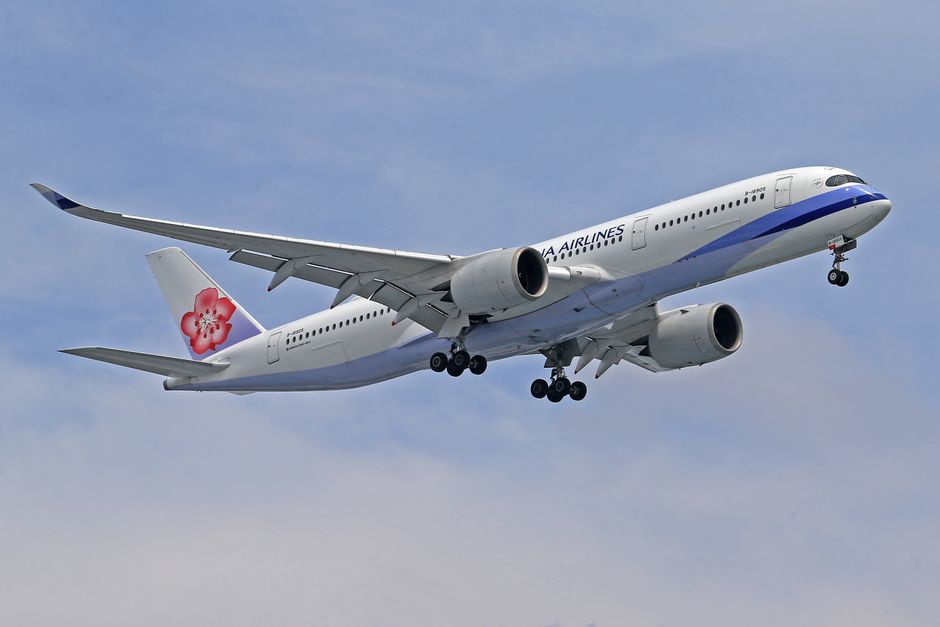
For covering long distances quickly, domestic flights are a convenient option. New Zealand has a well-developed domestic airline network, connecting major cities and tourist destinations. I've found this particularly useful when needing to quickly get from the South Island to the North Island.
Pros:
- Fast: Flights are the fastest way to travel long distances.
- Convenient: Airports are located in most major cities.
Cons:
- Expensive: Flights can be more expensive than other forms of transport.
- Less Scenic: You miss out on the scenery along the way.
- Environmental Impact: Flying has a higher environmental impact than other forms of transport.
- Airport Transfers: You need to factor in the cost and time of getting to and from the airport.
My Tips for Domestic Flights:
- Book in Advance: Book your flights in advance, especially during peak season, to get the best prices.
- Consider Budget Airlines: Budget airlines often offer cheaper fares, but be aware of extra fees for baggage and other services.
- Check Baggage Allowance: Be sure to check the baggage allowance before you travel.
- Arrive Early: Arrive at the airport early to allow plenty of time for check-in and security.
Train Travel: A Scenic Journey
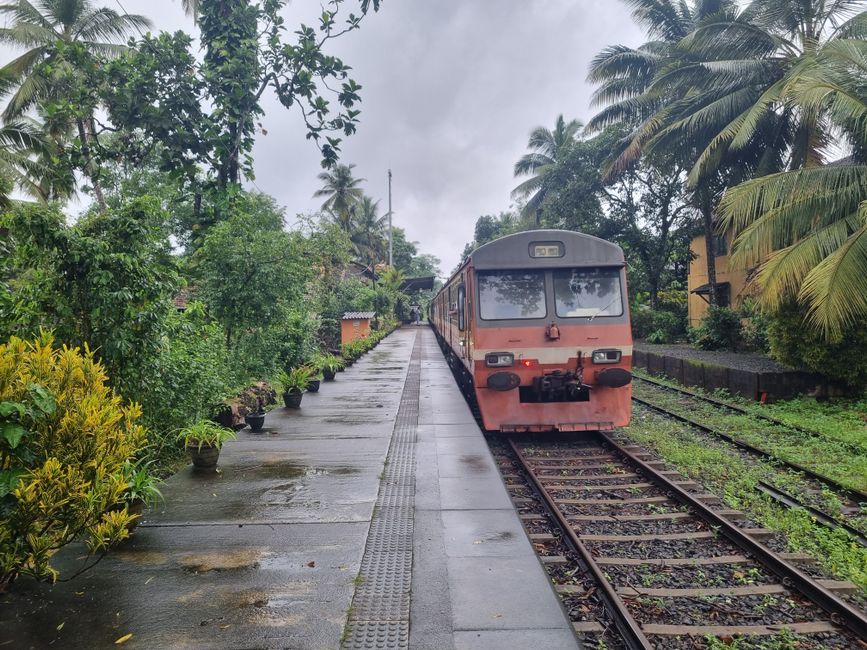
New Zealand's train network is limited, but the routes it does offer are incredibly scenic. The TranzAlpine train, for example, is world-renowned for its breathtaking views of the Southern Alps. It's a truly unforgettable experience. While it may not be the fastest or most comprehensive way to get around, it's a relaxing and unique way to see the country.
Pros:
- Scenic: Train journeys offer stunning views of the countryside.
- Relaxing: You can sit back, relax, and enjoy the scenery.
- Comfortable: Trains are generally comfortable, with spacious seating and onboard amenities.
Cons:
- Limited Routes: The train network is limited, so you can't travel to all destinations by train.
- Expensive: Train travel can be more expensive than bus travel.
- Slow: Train journeys can be slower than driving or flying.
My Tips for Train Travel:
- Book in Advance: Book your train tickets in advance, especially during peak season, to guarantee a seat.
- Choose a Scenic Route: Research the different train routes and choose one that offers stunning views.
- Pack Snacks and Drinks: Pack plenty of snacks and drinks for the journey.
- Bring a Camera: You'll want to capture the incredible scenery!
Ferries: Connecting the Islands
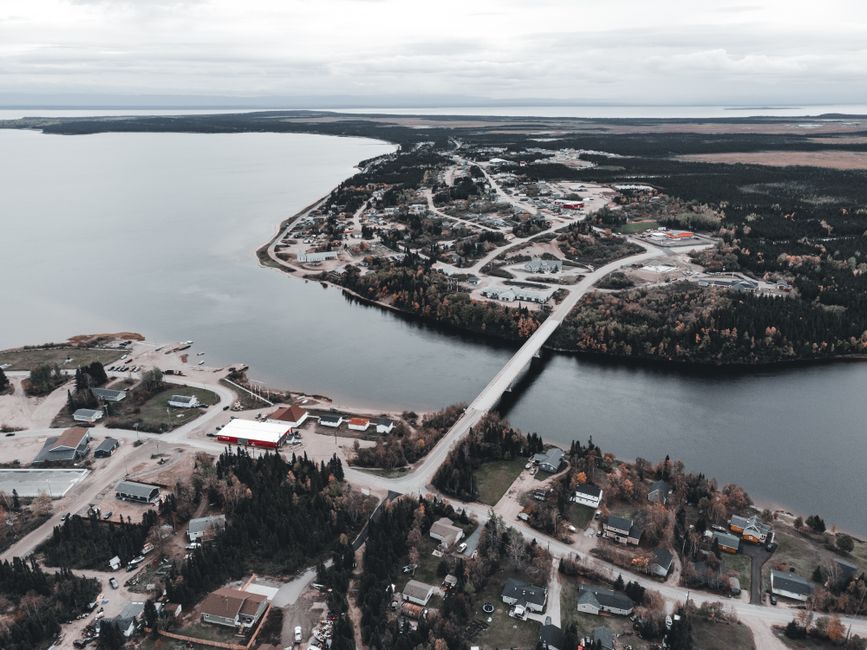
To travel between the North and South Islands, you'll need to take a ferry. Two main companies operate ferries across the Cook Strait: Interislander and Bluebridge. The journey itself is a beautiful experience, offering stunning views of the coastline.
Pros:
- Scenic: The ferry journey offers stunning views of the Cook Strait.
- Convenient: Ferries carry both passengers and vehicles.
- Comfortable: Ferries offer comfortable seating, restaurants, and other amenities.
Cons:
- Can Be Expensive: Ferry tickets can be expensive, especially if you're taking a vehicle.
- Weather Dependent: Ferry sailings can be cancelled due to bad weather.
- Time-Consuming: The ferry journey takes several hours.
My Tips for Ferry Travel:
- Book in Advance: Book your ferry tickets well in advance, especially during peak season, to guarantee a spot for your vehicle.
- Check the Weather Forecast: Check the weather forecast before you travel, as sailings can be cancelled due to bad weather.
- Arrive Early: Arrive at the ferry terminal early to allow plenty of time for check-in and boarding.
- Bring Entertainment: The ferry journey takes several hours, so bring plenty of entertainment.
Hitchhiking: A Risky, But Possible, Option

While hitchhiking is technically legal in New Zealand (except on motorways), it's not always the safest or most reliable option. I would only recommend this if you're an experienced hitchhiker and comfortable with the risks involved. Exercise extreme caution and always trust your gut instinct.
Pros:
- Free: Hitchhiking is free.
- Adventurous: It's a unique and adventurous way to travel.
- Meet Locals: You're likely to meet interesting locals.
Cons:
- Unsafe: Hitchhiking can be dangerous.
- Unreliable: You may not be able to get a ride.
- Time-Consuming: It can take a long time to get to your destination.
My Tips for Hitchhiking (If You Choose To):
- Travel with a Friend: It's always safer to hitchhike with a friend.
- Choose Safe Locations: Hitchhike in well-lit, visible areas.
- Trust Your Gut: If you feel uncomfortable with a driver, don't get in the car.
- Let Someone Know Your Plans: Tell someone where you're going and when you expect to arrive.
Cycling: Two Wheels and a World of Wonder

For the adventurous and physically fit, cycling can be an amazing way to explore New Zealand. The country offers stunning cycle trails, from easy coastal routes to challenging mountain climbs. I've only done a few short cycling trips myself, but the feeling of freedom and connection with nature is incredible!
Pros:
- Healthy: Cycling is a great way to stay fit and active.
- Environmentally Friendly: It's a sustainable mode of transport.
- Scenic: You'll see the country from a unique perspective.
Cons:
- Physically Demanding: Cycling can be physically demanding, especially on hilly terrain.
- Weather Dependent: Cycling can be challenging in bad weather.
- Limited Luggage: You're limited to what you can carry on your bike.
My Tips for Cycling:
- Choose the Right Bike: Choose a bike that's suitable for the terrain you'll be cycling on.
- Pack Appropriately: Pack light and bring essentials like water, snacks, sunscreen, and a repair kit.
- Plan Your Route: Plan your route in advance and check the weather forecast.
- Wear a Helmet: Always wear a helmet when cycling.
Walking & Hiking: On Foot and Fabulous

Don't underestimate the power of your own two feet! New Zealand is a hiker's paradise, with countless trails ranging from short nature walks to multi-day treks. Even a short stroll along a beach or through a forest can be a rewarding way to experience the country's natural beauty. Some of my most cherished memories are from hiking in New Zealand's stunning national parks.
Pros:
- Free (Usually): Hiking is generally free (though some national parks require fees).
- Healthy: It's a fantastic way to get exercise.
- Immersive: You'll truly connect with the landscape.
Cons:
- Time-Consuming: It's the slowest way to travel.
- Physically Demanding: Some hikes can be very challenging.
- Weather Dependent: Hiking can be dangerous in bad weather.
My Tips for Hiking:
- Choose the Right Trail: Choose a trail that's appropriate for your fitness level.
- Pack Appropriately: Pack essentials like water, snacks, sunscreen, a hat, and a first-aid kit.
- Wear Sturdy Shoes: Wear comfortable, supportive hiking shoes.
- Check the Weather Forecast: Check the weather forecast before you go and be prepared for changing conditions.
- Tell Someone Your Plans: Let someone know where you're going and when you expect to be back.
Putting It All Together: Crafting Your Perfect Trip

The best way to get around New Zealand depends entirely on your individual needs and preferences. Don't be afraid to mix and match different modes of transport to create your perfect adventure. For example, you might rent a car for a few days to explore a specific region, then take a bus to your next destination. Or you could fly between islands and then rent a campervan to explore the South Island at your own pace.
Whatever you choose, remember to plan ahead, be flexible, and most importantly, enjoy the ride! New Zealand is an incredible country, and I'm sure you'll have an unforgettable experience exploring it.
Post a Comment